Every barber knows that a clipper isn’t just a tool, it’s an extension of your hand, and the wrong one can slow down your whole day. Whether you’re building your first kit or upgrading a worn-out setup, here’s what actually matters when choosing clippers and trimmers for professional use.
Understand the Difference Between Clippers and Trimmers First
Clippers and trimmers are not interchangeable, even though beginners often try to make one tool do both jobs. Clippers are built for bulk hair removal, fading, scalp work, and cutting through dense hair quickly with wider blades and more torque. Trimmers use narrower, finer blades designed for detail work: sharp lineups, edging, beard shaping, and finishing touches around the ears and neckline. A professional kit needs both, full stop. Trying to fade with a trimmer will wear out the motor fast, and trying to do fine linework with a bulky clipper blade will never look as crisp.
Motor Type Determines Your Cutting Power
The motor is the single biggest factor separating a professional-grade tool from a consumer one, and there are three main types worth knowing. Magnetic motors are compact and efficient, delivering strong, consistent power ideal for dry cutting and detail work, and they run cooler, which makes them common in high-end trimmers. Rotary motors offer serious torque and can cut through thick, wet, or coarse hair without bogging down, making them a favorite for barbers who do a high volume of fades and bulk cutting. Pivot motors balance speed and torque in a lighter housing, often found in mid-range clippers that need to handle varied hair types throughout a busy day.
If your chair sees a lot of thick or curly hair, prioritize torque, rotary or a strong pivot motor. If your work leans toward precision fades and detailing, a magnetic motor trimmer will serve you better.
Blade Quality and Adjustability Matter More Than Brand Name
Look past the logo and check the blade specs. Stainless steel blades resist corrosion and stay sharp longer, while carbon steel blades sharpen to a finer edge but need more maintenance to avoid rust. Titanium-coated blades add extra durability and glide, which reduces pulling on sensitive skin, a real benefit when you’re doing back-to-back fades all day.
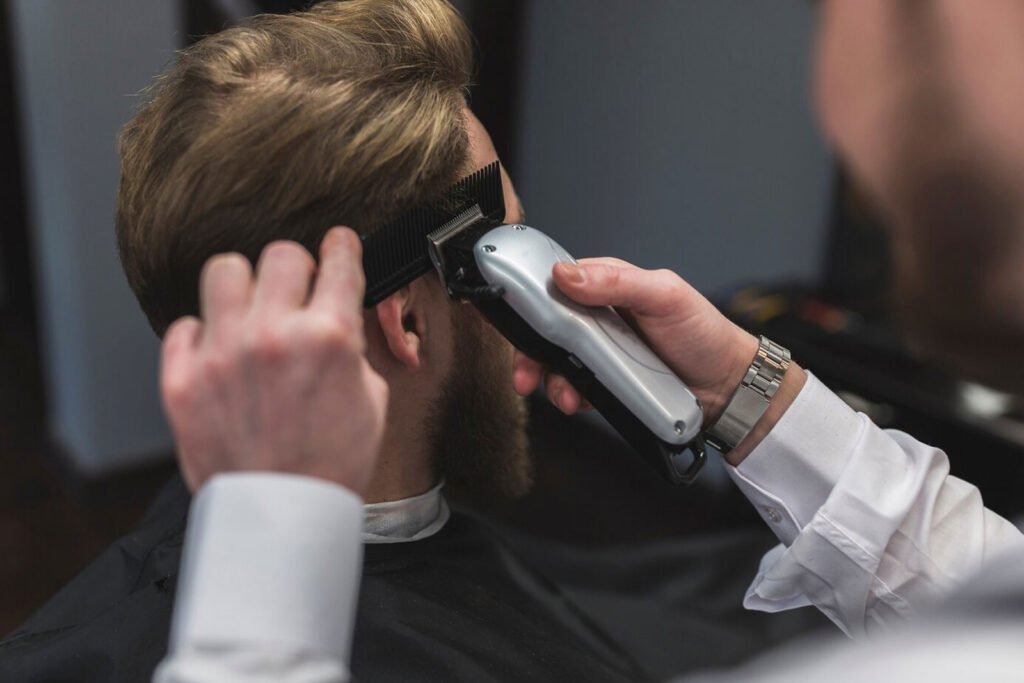
Adjustable taper levers are non-negotiable for a working barber. Being able to shift blade length on the fly, without swapping guards mid-cut, saves real time during a fade and gives you finer control over the blend. Fixed-blade clippers can still be useful as a secondary tool, but your primary clipper should have adjustable capability.
Battery Life and Charging Speed for Cordless Work
If you’re going cordless, runtime and charge speed become part of your daily math. Look for clippers offering at least 60 to 90 minutes of runtime on a full charge, with a quick-charge option that gets you back to a usable level in 5 to 10 minutes for those days when you forgot to charge overnight. A clear battery indicator light is a small feature that saves real frustration mid-shift.
Weight, Balance, and Ergonomics
You’ll be holding this tool for hours a day, so weight and grip matter as much as raw power. Heavier clippers offer stability for bulk work but can fatigue your wrist over a long shift. Lighter trimmers give you more control for detail work but sacrifice some torque. Pick up the tool before committing if you can, or read reviews specifically from working barbers rather than general consumer feedback.
Building a Complete Kit
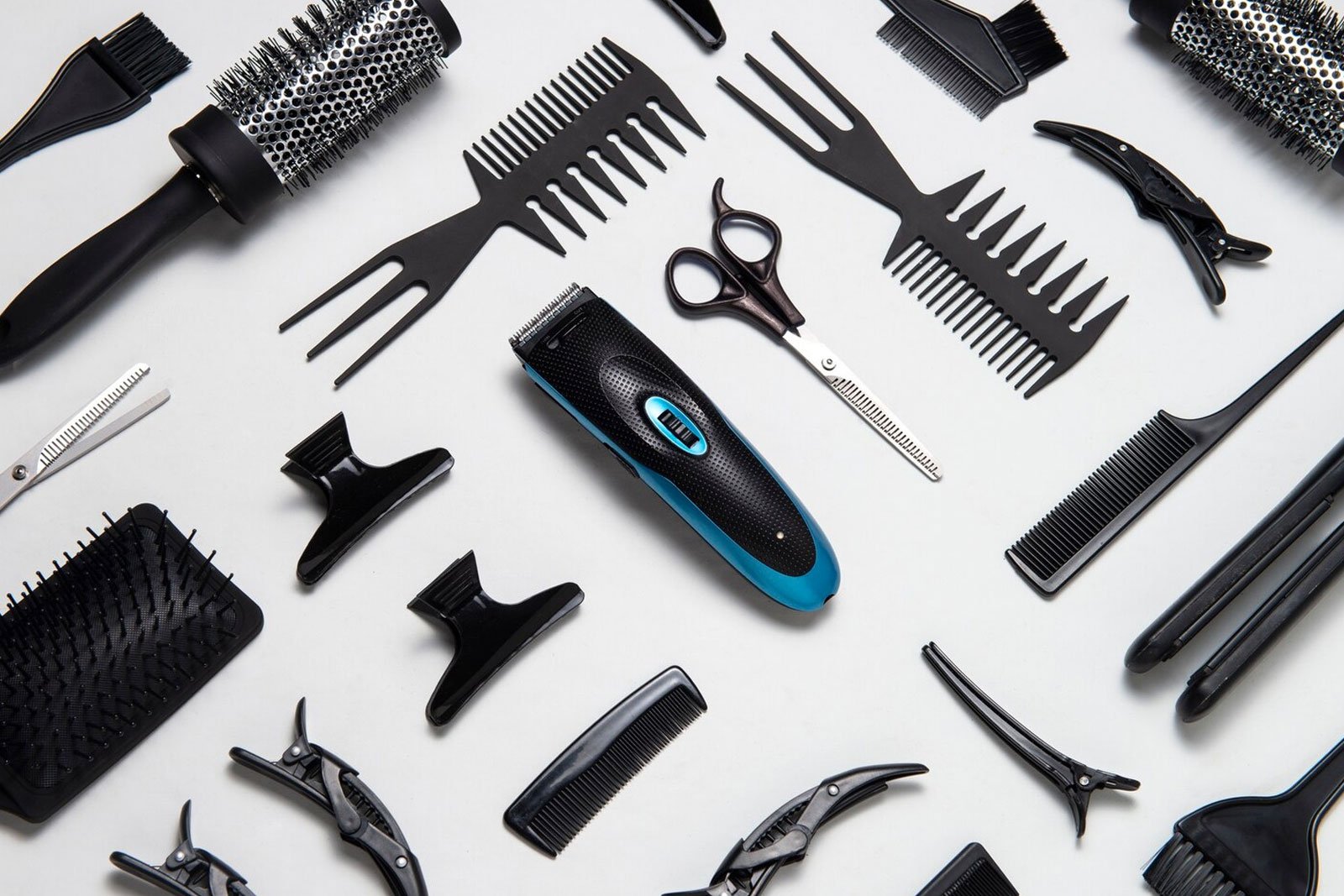
A solid professional setup typically includes one heavy-duty clipper for bulk cutting and fading, one precision trimmer for lineups and detailing, and a set of quality guards in varying lengths. Don’t forget blade oil and a cleaning brush, routine maintenance extends the life of even the best equipment.
For barbers ready to invest in gear that holds up to daily professional use, SalonBrandz.com carries a full range of clippers and trimmers from trusted brands like BaBylissPRO, built specifically for the demands of a working chair.